
What happened to Sofía
Read this once, straight through, before you meet anyone. Everything that follows grows out of it.
It is a Tuesday in October, a little after nine. Sofía Reyes is riding her bike home from the bakery where she works the evening shift, the same six blocks she rides four nights a week. She is twenty-one. She is halfway through an associate’s degree and thinking, quietly, about nursing school. She is the kind of person who texts her mother when she leaves work so no one worries.
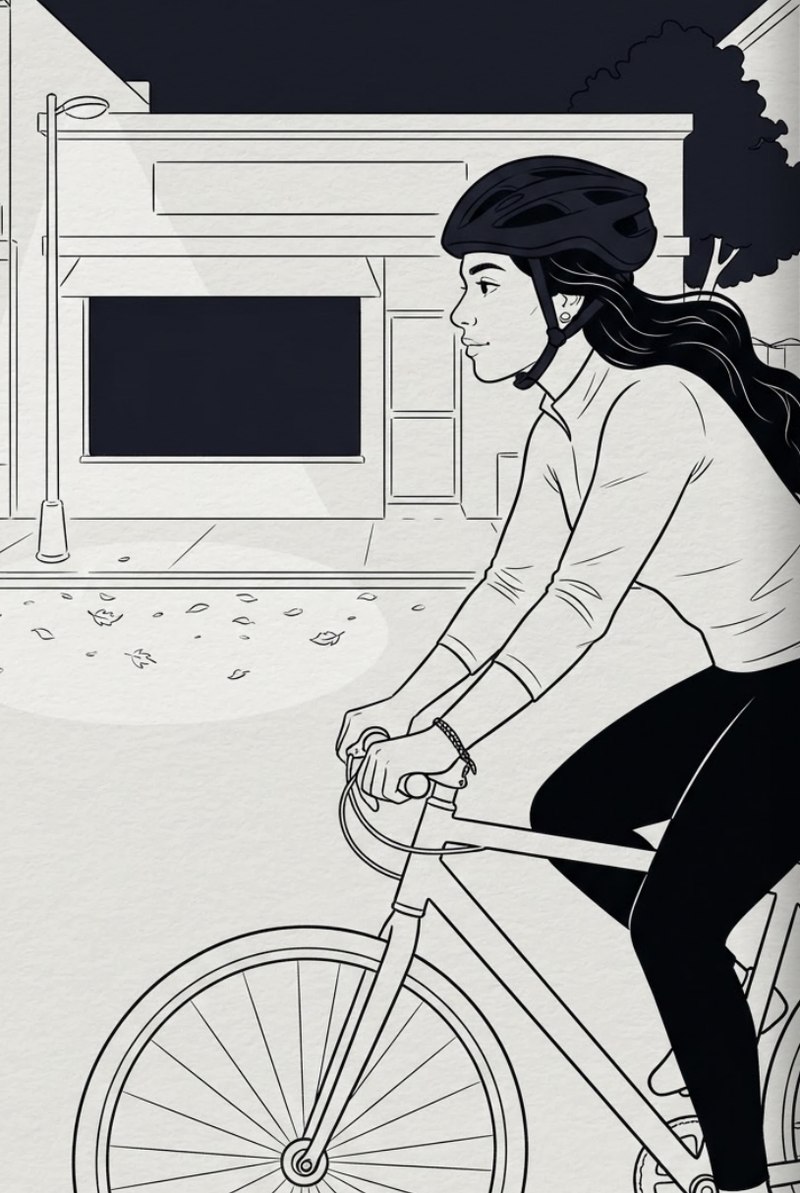
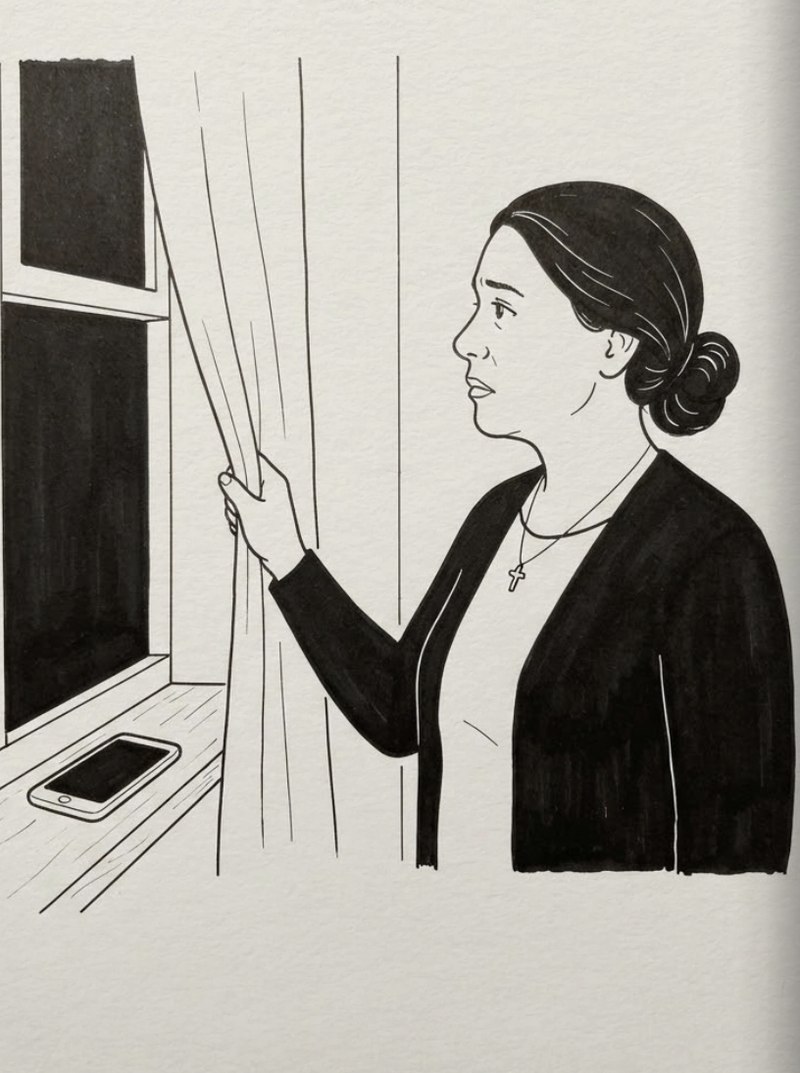
At the intersection two blocks from home, a car turns left across her path. The driver does not see her. Sofía is thrown from the bike and strikes her head on the curb. A stranger calls 911. She does not text her mother that she is leaving work, and by nine-thirty her mother, Rosa, is standing at the window.
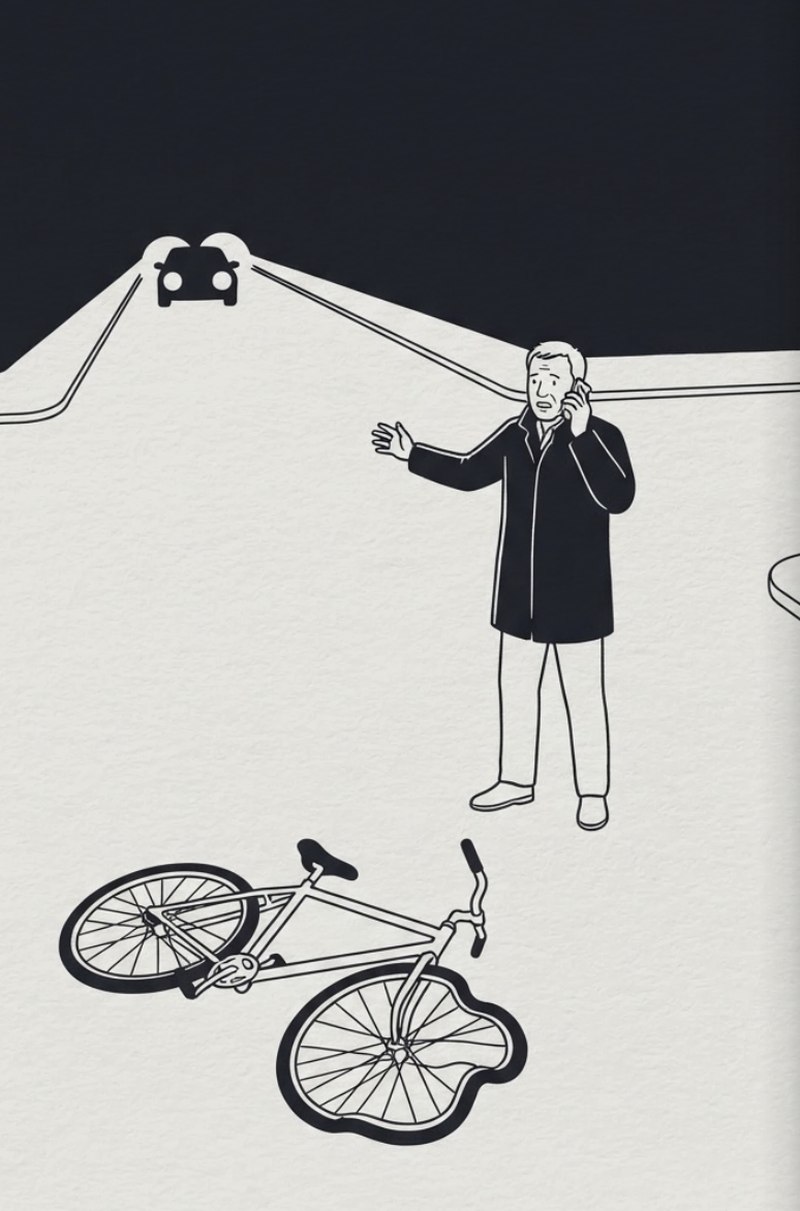
Paramedics reach her in minutes. She is breathing but not responding normally; one side of her body moves less than the other. They protect her neck, support her breathing, and drive fast to the county trauma center, calling ahead so a team is waiting.
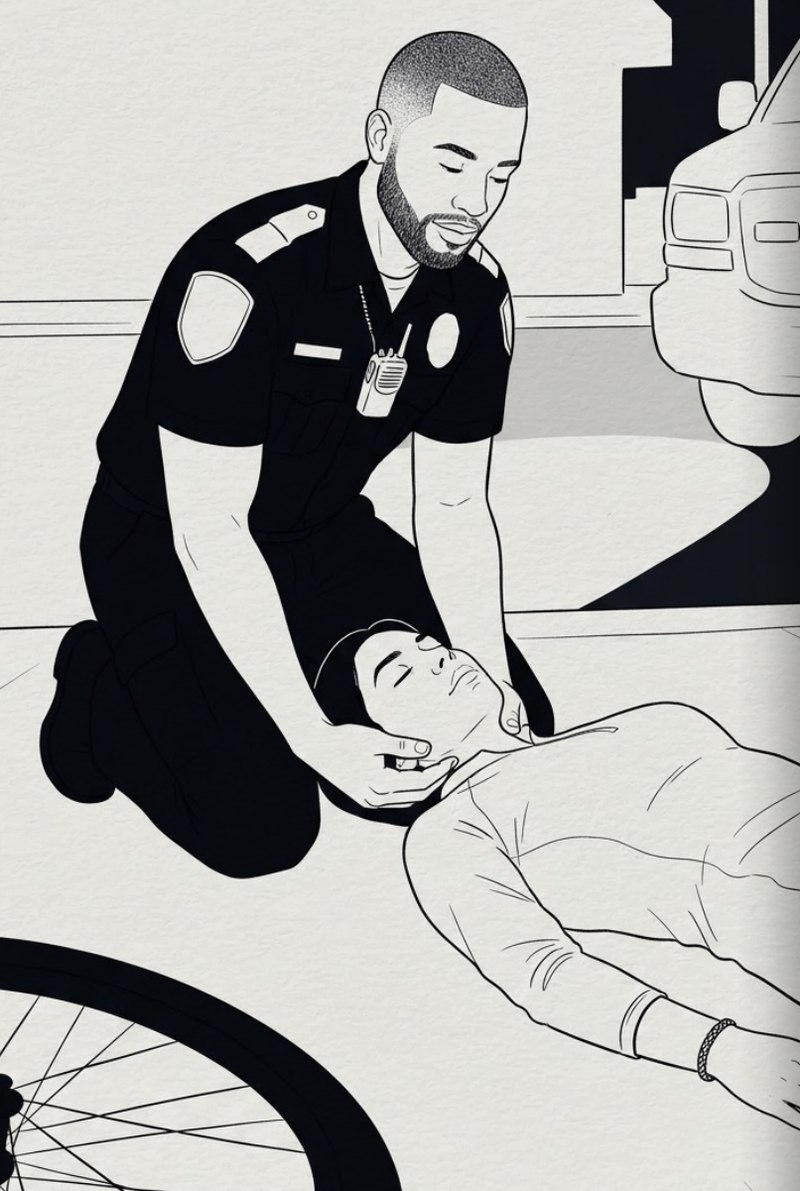
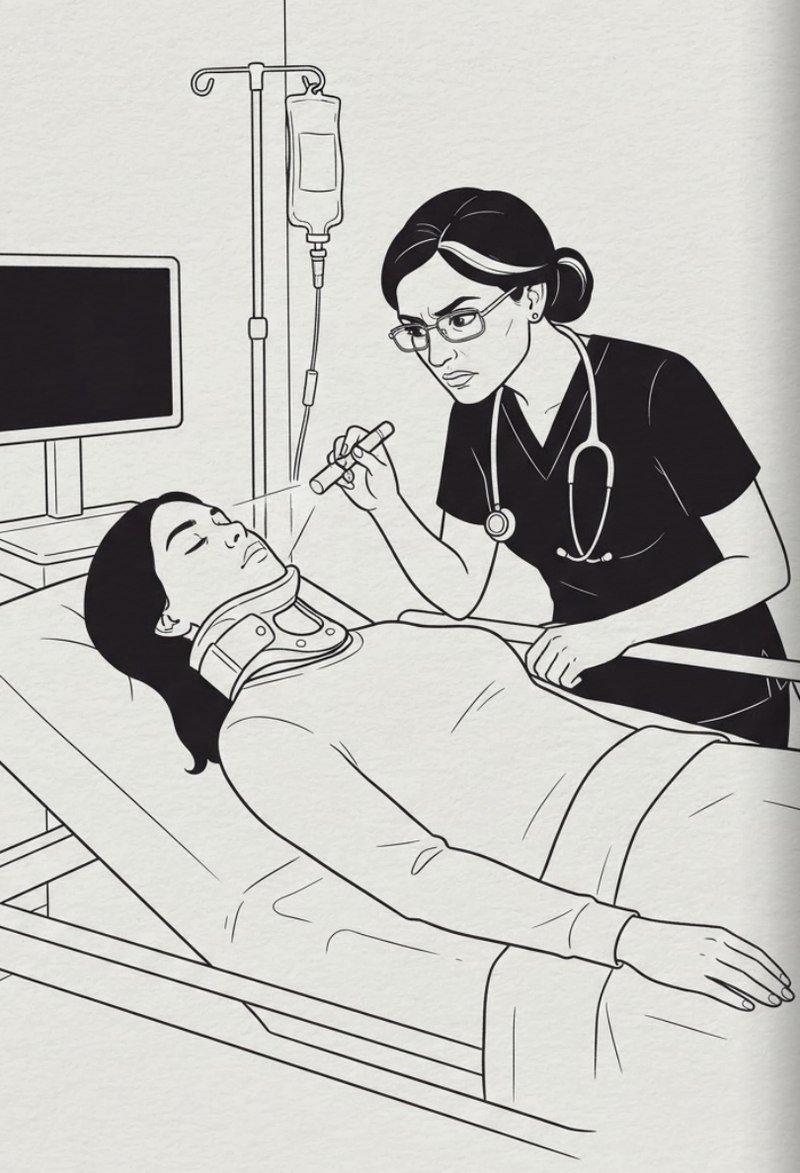
In the emergency department the trauma team moves in a controlled rush. A scan of her head shows bleeding on the left side of her brain and dangerous swelling. A neurosurgeon is called in. That night, in an operating room, the surgeon relieves the pressure that is threatening to injure Sofía’s brain further. She survives the operation and is moved to the neuro–intensive care unit, on a ventilator, sedated, a monitor tracking the pressure inside her skull.
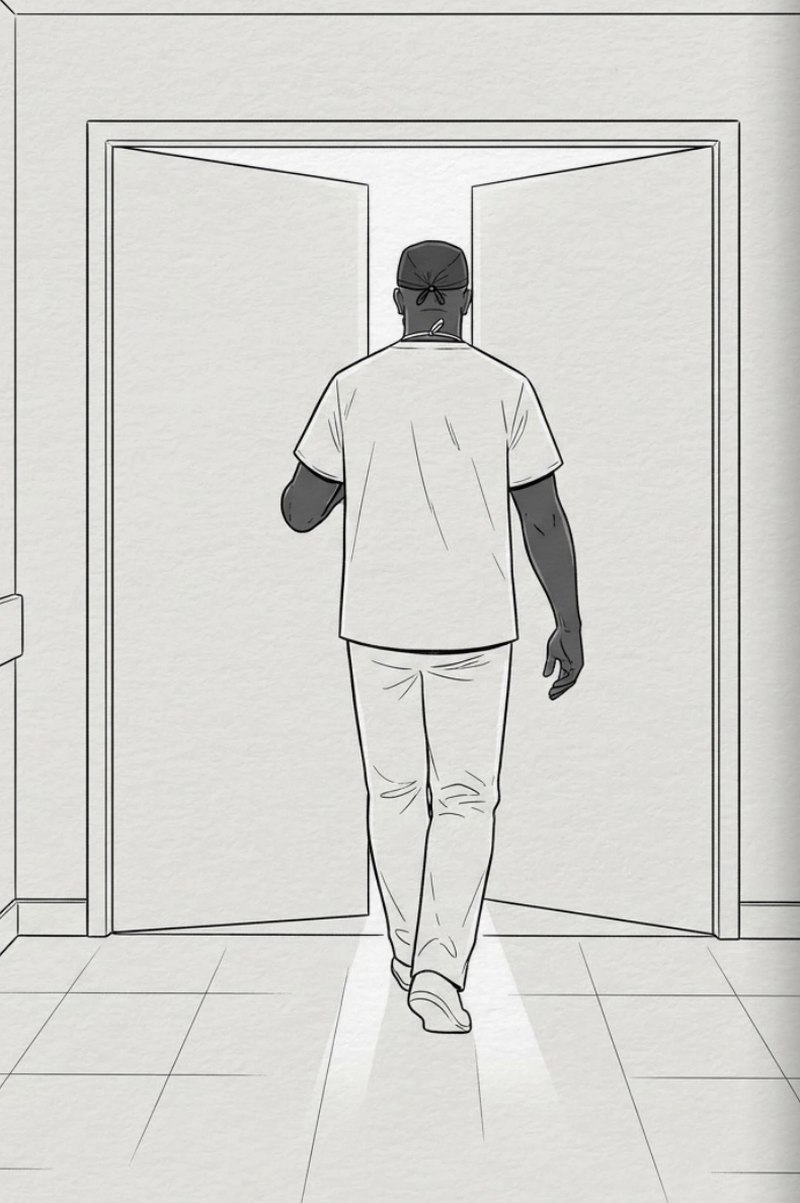
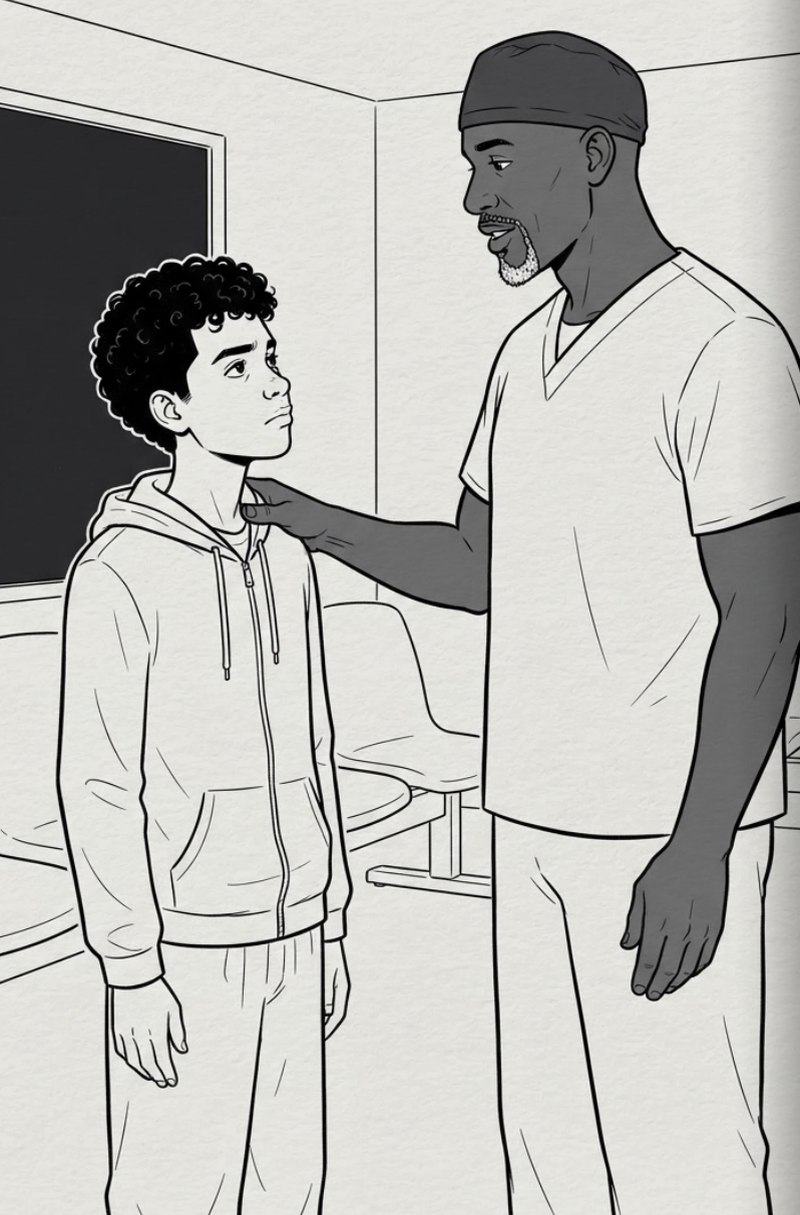
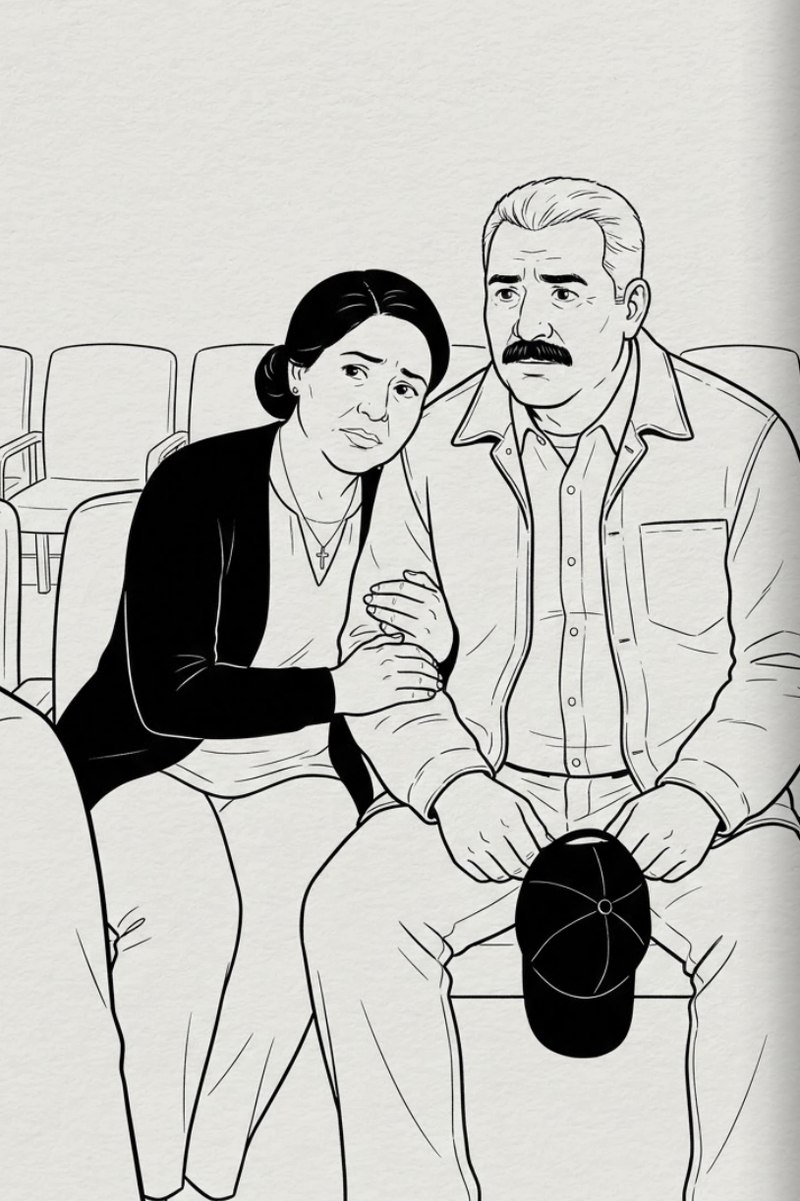
Rosa and Sofía’s father, Miguel, arrive at the hospital not long after the ambulance. No one on the night team speaks much Spanish. The most frightening conversation of their lives (your daughter has a serious brain injury, we operated, the next days are critical) reaches them in fragments, and then through Sofía’s sixteen-year-old brother, Diego, who has been pulled out of bed and is now standing in an ICU waiting room at two in the morning, trying to turn a surgeon’s words into Spanish for his parents while understanding, for the first time, how badly his sister is hurt. He does his best. No one should have asked him to.
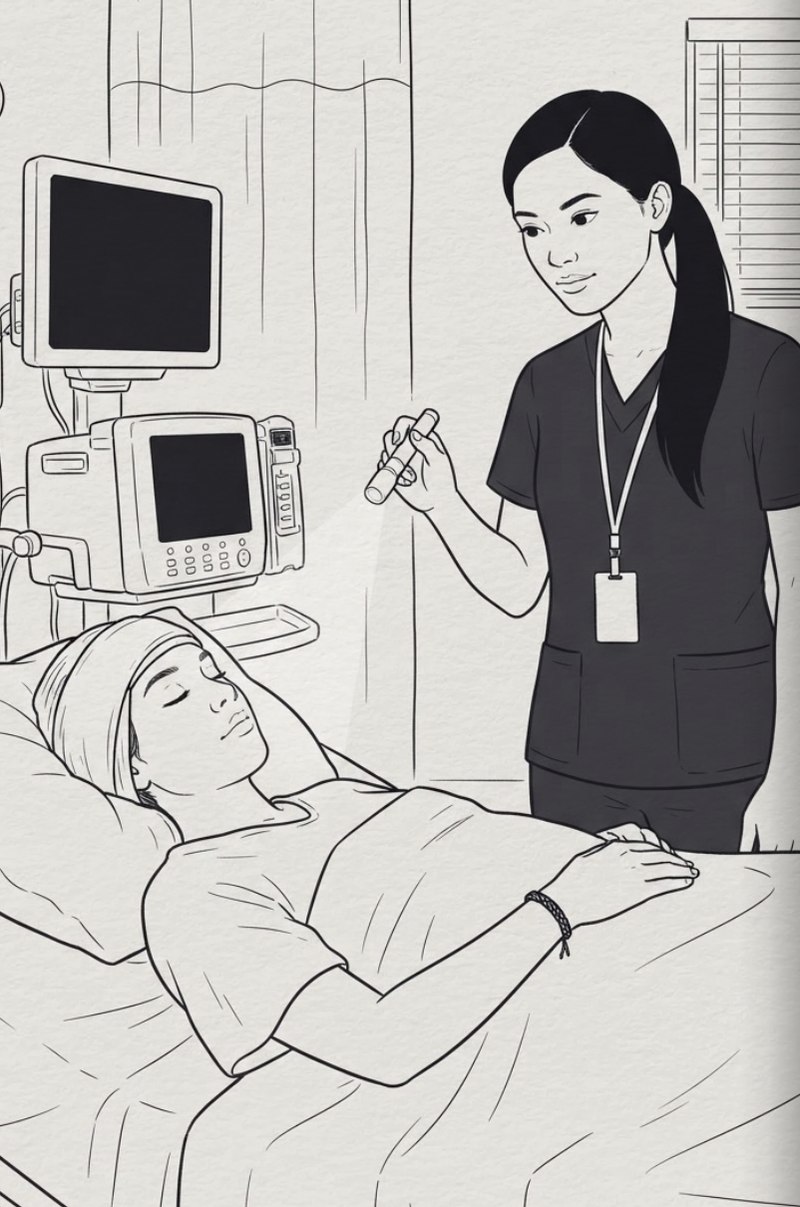
Over the next several days Sofía is weaned off the ventilator and the sedation is lifted. She opens her eyes. She is confused, agitated at times, and does not remember the accident; she will never remember it. This is normal after a brain injury, but it is terrifying to watch. She does not seem to notice things on her right side. Her right arm and leg are weak. When a nurse offers her water, a speech-language pathologist is called first to check that she can swallow safely, because a brain injury can make swallowing dangerous; for now she is on thickened liquids and soft food.
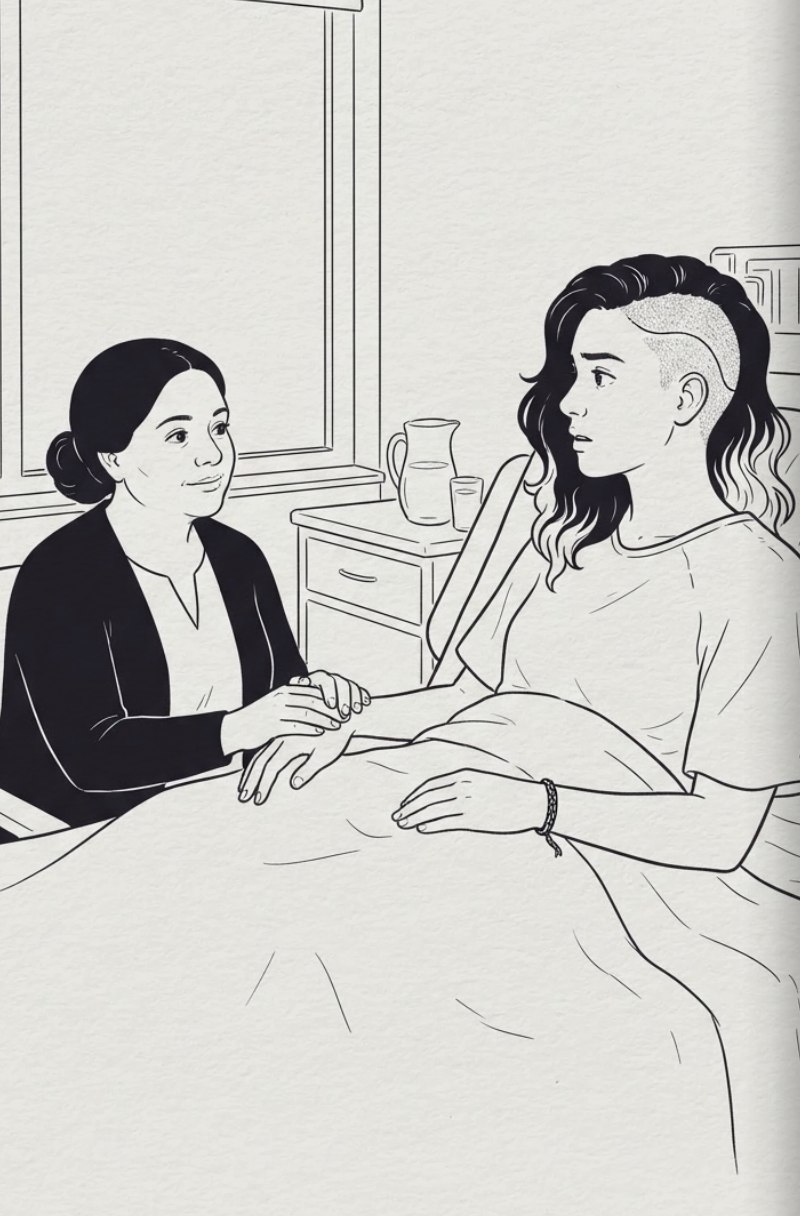
By the end of the first week the immediate danger has passed. Sofía is medically stable. And now the hospital team asks the question that opens the rest of this story: what now? She cannot walk. She cannot safely be alone. She cannot go home the way she is. But she is twenty-one and strong, and she has a real chance to get much of herself back, if she goes somewhere built to help her do exactly that.
Sofía is transferred to an inpatient rehabilitation facility, a hospital whose entire purpose is helping people relearn how to live after an injury or illness. To be here, she has to be able to take part in about three hours of therapy a day, and a rehabilitation physician oversees her care several times a week. She is a patient working to get better, and the work is relentless.
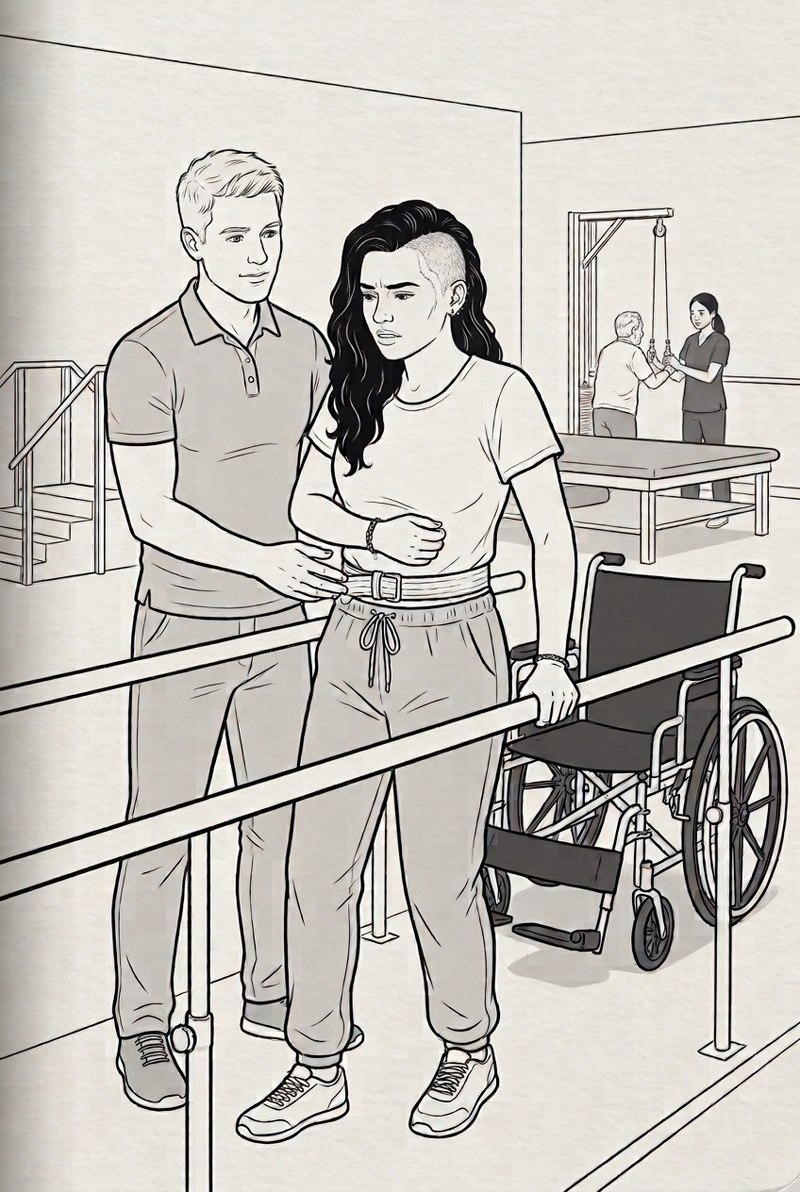
Her days take on a rhythm. A rehabilitation nurse helps her through the morning: medications, skin care, safety, and the slow, patient business of getting washed and dressed when half your body will not cooperate. A physical therapist works on her balance, her strength, and, eventually, standing and stepping. An occupational therapist works on the things a body does all day without thinking, dressing, brushing teeth, managing a weak hand, and on the thinking behind them, because attention and memory and judgment were injured too. A speech-language pathologist advances her diet as her swallowing improves and works on the quieter injuries: staying focused, remembering a list, noticing the right side of the world she keeps forgetting is there.
Around this core, a wider circle turns. A physiatrist, the rehabilitation doctor, sets the goals and manages the tightness and pain that come with a brain injury. A neuropsychologist maps what has changed in Sofía’s thinking and mood, and helps her and her family understand the invisible injury, the one that does not show up on a scan: the fatigue, the flashes of frustration, the strange grief of not feeling like yourself. A recreation therapist does something that sounds soft and is anything but: she gets Sofía to pick up a paintbrush with her left hand, to leave her room, to remember that a life is more than a set of exercises. An orthotist builds her a custom brace so her weak foot clears the floor when she walks. A dietitian makes sure her healing brain is fed, with food her family recognizes. A social worker and case manager begins, from day one, to plan for the day she leaves.
And in nearly every one of these conversations, the goal-setting, the hard news, the teaching, the family meeting, there is now a professional medical interpreter, in person or on a screen on a rolling stand, making sure that what the team says reaches Sofía and her parents whole, and that what Sofía and her parents say reaches the team the same way. Diego gets to go back to being her brother.
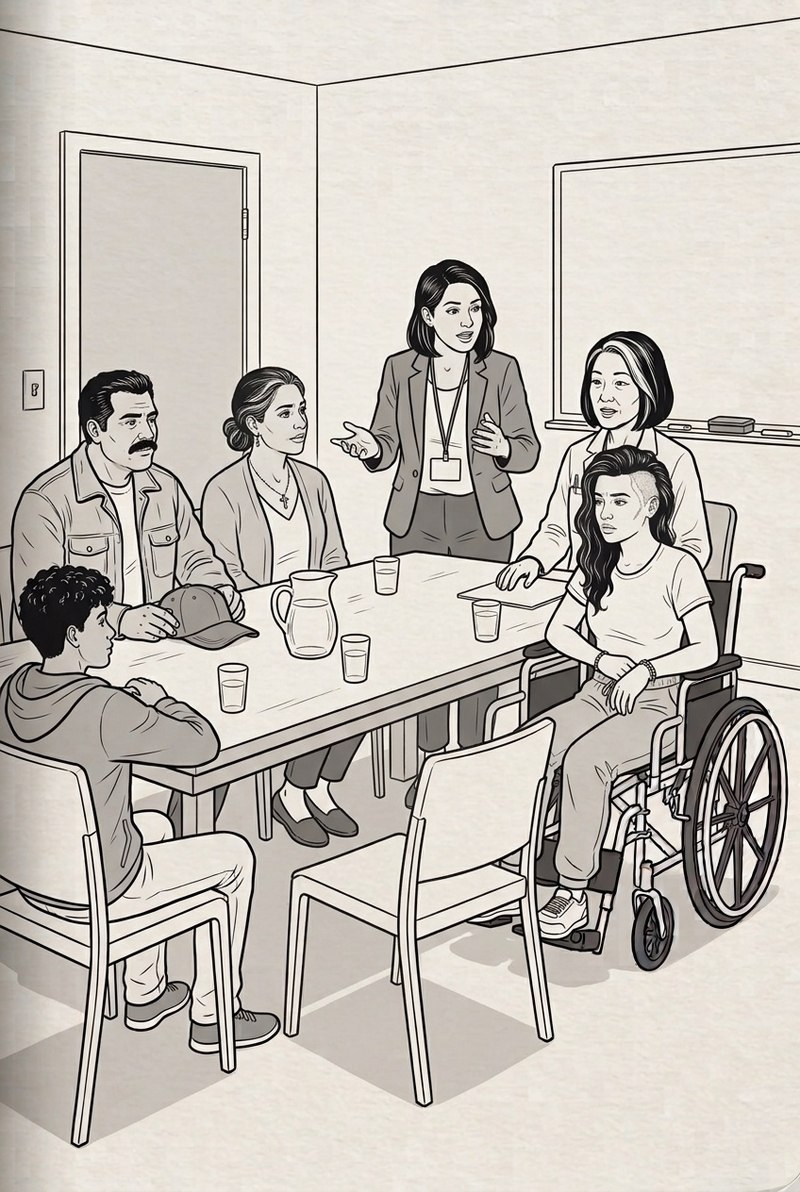
It is not a straight line. Sofía is exhausted in a way sleep does not fix. She gets frustrated and, sometimes, tearful or sharp; her injured brain has less of a brake than it used to. There is a bad afternoon when she tries to stand on her own, forgets she cannot, and nearly falls; the whole team recalibrates around keeping her safe without crushing her drive. Her mother, learning to help her transfer from bed to wheelchair, is terrified of doing it wrong.
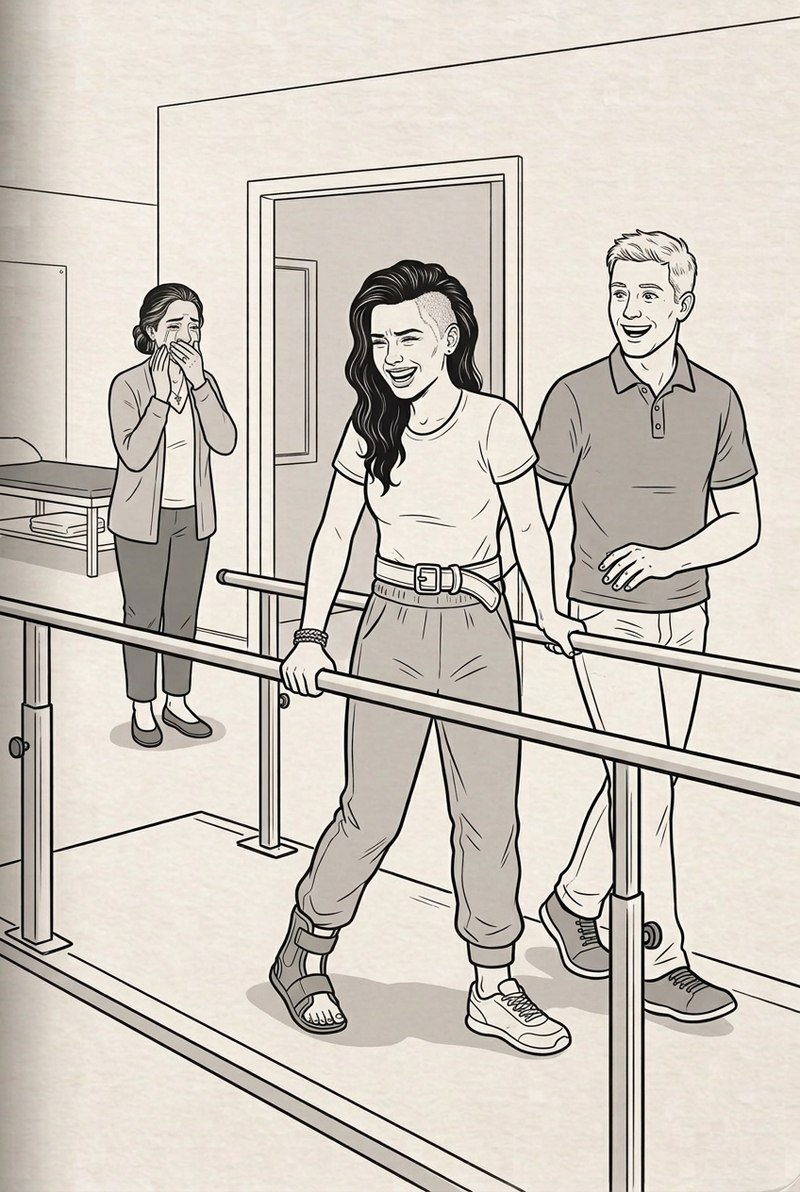
But there are wins, and in rehabilitation the small wins are enormous. The first time she takes a step between the parallel bars, her physical therapist beside her, her mother crying in the doorway. The first time she pulls a shirt over her head by herself, a whole new technique the occupational therapist taught her. The day the dietitian clears her for a real meal and her mother brings sopa from home. The afternoon the recreation therapist wheels a small group outside and Sofía feels the sun and, for a few minutes, laughs.
As Sofía grows stronger, the team’s attention turns outward. The occupational therapist and a home-assessment visit figure out what has to change in the family’s apartment: grab bars in the bathroom, a way to manage the front steps, a bed she can get in and out of. The case manager and an assistive-technology specialist sort out the right wheelchair and the equipment she will need at home, and the insurance case manager, a person Sofía never meets but whose decisions shape everything, approves, questions, and sometimes fights over what will be covered and for how long. A community health worker who speaks the family’s language and knows their neighborhood becomes a bridge between the hospital’s plans and the family’s real life.
And the team begins, gently, to raise the questions that reach past the hospital doors. Will Sofía walk into her own kitchen again? (Probably, in time, with a brace and a cane.) Can she go back to school? (Maybe, and there are people whose whole job is to help her try.) A vocational rehabilitation counselor and the disability services office at her college enter the picture. A peer mentor, a young man who had his own brain injury five years ago and now has a job and an apartment, comes to talk with her, and for the first time Sofía meets someone who has walked the road ahead of her and is standing on the other side.
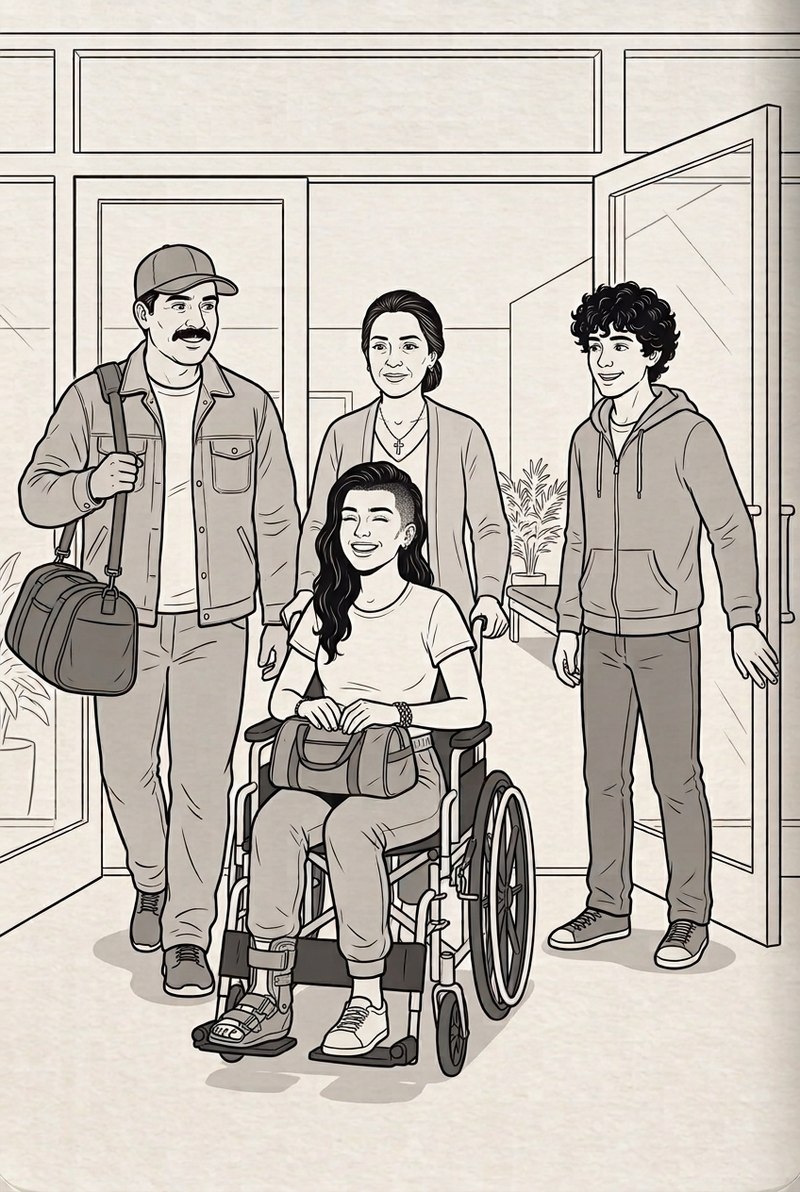
The day she is discharged, Sofía leaves in a wheelchair, an appointment book full of outpatient therapy, a brace in a bag, and a family that has been trained, exhausted, and changed. She is nowhere near finished. But she has met dozens of people whose work is aimed at a single target, giving her back as much of her life as she can reclaim, and her long way back has begun.